• About UGM
  • Academic Portal
  • IT Centre
  • Library
  • LPPM
  • Webmail
  • English
    • Bahasa Indonesia
    • English
Universitas Gadjah Mada Universitas Gadjah Mada
Faculty of Agricultural Technology
Department of Food and Agricultural Product Technology
  • Home
  • Profile
    • Overview
    • Vision, Mission, Objectives
    • Profile & Outcome
    • Organization Structure
    • Lecturer
    • Staff
    • Contact Us
  • Academic
    • Bachelor
      • BFAPT
    • Master
      • MFST
      • MECPT
    • Doctor
      • DFS
    • Admission
    • Accreditation
    • Academic Calendar
  • Student Affairs
    • Academic Info
    • Student Organization
    • Industry Internship
    • Scholarship
    • Student Mobility
    • Final Project
    • Alumni
    • Career
  • Facility
    • Laboratorium
      • Biotechnology
      • Food and Nutrition
      • Process Engineering
      • Food and Agricultural Products Chemistry and Biochemistry
      • Waste Management
      • Teaching Laboratory
    • Library
    • Internet Access
    • E-Journal
    • Public Service
  • Activity
    • Research
      • Seminar
      • Publication
    • Community Service
    • Collaboration
  • Home
  • Uncategorized

Sustainable Nutrition Innovation: Guest Lecture by Professor Hitoshi Shirakawa on Fermented Rice Bran and the Health Benefits of Vitamins

  • Uncategorized
  • 8 October 2024, 12.40
  • By : ndf

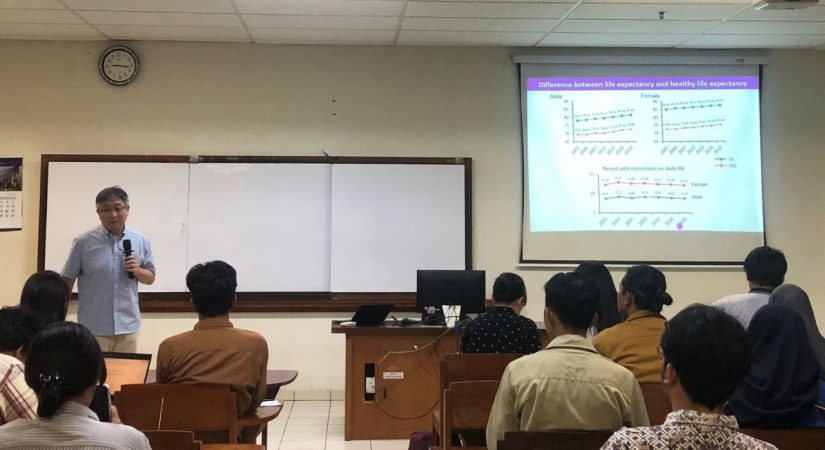
On September 3-4, 2024, the Department of Food and Agricultural Technology had the opportunity to host a guest lecture by Professor Hitoshi Shirakawa from Tohoku University. This event was part of the Kampus Merdeka Competition Program (PKKM) and was attended by undergraduate students taking Nutrition Science courses. In this lecture, Prof. Shirakawa presented two topics from his research: ‘Fermented Rice Bran and Its Ingredients for the Prevention of Lifestyle-Related Diseases’ and ‘Emerging Novel Functions of Vitamins for Healthy Life Expectancy.’

On the first day, Prof. Shirakawa discussed Fermented Rice Bran (FRB). Rice bran is a byproduct of the rice milling process, consisting of rice husks or the outer layer of the rice grain. Japan is one of the largest rice producers in the world, and from all the rice produced, 8% of it is rice bran. In Japan, rice bran is commonly processed into rice bran oil (37.5%), used in mushroom cultivation (9.5%), livestock feed (7%), and the remaining 46% is utilized to extract active compounds such as γ-Oryzanol, ferulic acid, and tocotrienol.

To enhance the benefits of rice bran, Prof. Shirakawa and his team developed Fermented Rice Bran, which is produced through a two-stage fermentation process using fungi and lactic acid bacteria. He explained that Fermented Rice Bran has a higher nutritional value than non-fermented Rice Bran. Based on his research, the benefits of fermented rice bran include lowering blood pressure, improving lipid metabolism, and increasing insulin resistance. This research successfully enhanced the benefit of rice bran and reducing food waste. However, this research has only been conducted on animal models so far.

On the second day, the topic was vitamins, particularly biotin and vitamin K. Biotin is a water-soluble vitamin found in liver, soybeans, eggs, yoghurt, milk, salmon, spinach, herring, tomatoes, and more. The benefits of biotin include reducing the risk of diabetes, acting as an antihypertensive, and mitigating the effects of declining testosterone production. In addition, the guest lecture also discussed the importance of vitamin K. Based on Prof. Shirakawa’s research, vitamin K has been shown to have benefits similar to biotin, including reducing the risk of diabetes and the effects of decreased testosterone production. Furthermore, vitamin K can reduce the effects of cholestasis, a liver disease caused by blocked bile flow, and also serves as an anti-dementia agent. However, like the research on Fermented Rice Bran, this study has only been conducted on animal models.

This guest lecture highlighted the importance of innovation in applying the principles of recycling and reusing food materials, which contributes to reducing food production waste and supports SDG 12 (Responsible Consumption and Production). Optimizing resource use and reducing environmental impact can create a sustainable food system. Moreover, developing nutrition research is crucial for improving quality of life, offering significant health benefits, and supporting SDG 3 (Good Health and Well-being). The synergy between these two aspects allows us to create a healthier and more sustainable society while having a positive impact on the environment.


Author: Firstnandita Keisha

Tags: SDG 12: RESPONSIBLE CONSUMPTION AND PRODUCTION SDG 3: GOOD HEALTH AND WELL-BEING

Leave A Comment Cancel reply

Your email address will not be published. Required fields are marked *

*

Related Posts

Exploring the Coffee Value Chain: UGM Graduate Students Engage with Industry

Department NewsUncategorized Thursday, 30 April 2026

Yogyakarta — Graduate students from the Master’s Programs in Food Science and Technology (ITP) and Plantation Product Technology (THP) at Universitas Gadjah Mada (UGM) participated in an industrial visit to the Banaran Coffee Factory and […].

From Industry to Campus, TPHP UGM Alumna Shares Food Safety Practices in Restaurant Operations

Department NewsGuest Lecture Wednesday, 29 April 2026

Yogyakarta — The Department of Food and Agricultural Product Technology, Universitas Gadjah Mada (TPHP UGM), continued its efforts to bring industry perspectives into the classroom through a guest lecture designed to broaden students’ understanding of […].

Local and International Students Visit Dairy Processing Pilot Plant as Part of FTP UGM Short Course in Agri-Food Sector 2026

Department News Friday, 24 April 2026

Yogyakarta – Local and international students participating in the Short Course in Agri-Food Sector 2026 at the Faculty of Agricultural Technology, Universitas Gadjah Mada (FTP UGM), had the opportunity to visit the dairy product processing […].

Department of Food and Agricultural Product Technology Hosts Sensory Tea Evaluation in Downstream Product Processing Course

Department News Thursday, 23 April 2026

Yogyakarta – The Department of Food and Agricultural Product Technology (TPHP) at the Faculty of Agricultural Technology, Universitas Gadjah Mada (UGM), once again facilitated an engaging hands-on learning experience for students.
Universitas Gadjah Mada

Department of Food and Agricultural Product Technology

Faculty of Agricultural Technology – UGM

Jl. Flora No. 1, Bulaksumur

Yogyakarta, Indonesia, 55281

E-mail : tphp@ugm.ac.id

Phone. 0274-549650

ALTERNATIVE LINK

  • UGM Research
  • UGM Community Service
  • FAT UGM
  • Postgraduate of FAT UGM

JOURNAL INFO

  • IFNP
  • Agritech
  • Food Science
  • Perpusnas
  • Science Direct
  • Scopus
  • Wiley Online Library

ACCREDITATION

FOLLOW US

[smbtoolbar]

© Universitas Gadjah Mada

UGM ResearchUGM Community ServiceFAT UGMPostgraduate of FAT UGM