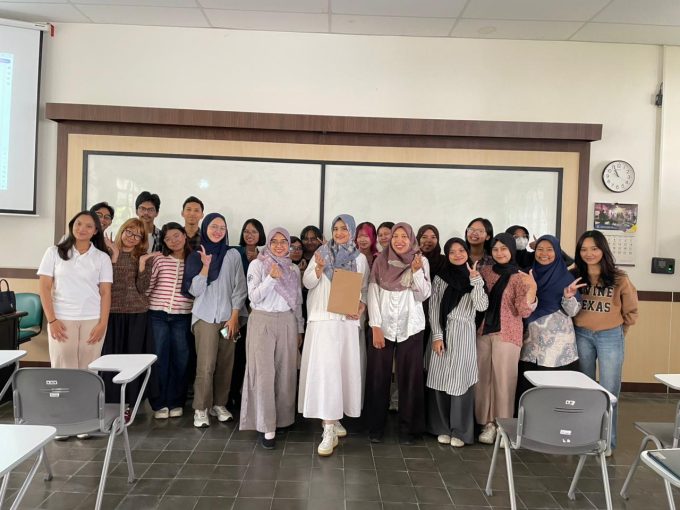
Yogyakarta, Indonesia — The Department of Food and Agricultural Product Technology at Universitas Gadjah Mada (UGM) recently hosted a guest lecture featuring Pakartian Ayu Sugmana, S.T.P., M.Gizi., founder of Healthy Plate Yogyakarta, as part of the Foodservice Business Management course. The session offered students an opportunity to engage with industry-based perspectives on the strategic, operational, and managerial dimensions of running a foodservice business.
Healthy Plate Yogyakarta is a culinary enterprise focused on the provision of healthy meals, and Sugmana drew on her professional experience to introduce students to the foundations of business development in the foodservice sector. Her lecture addressed key considerations in identifying a target market, shaping business positioning, and aligning products with the needs and preferences of specific consumer groups.
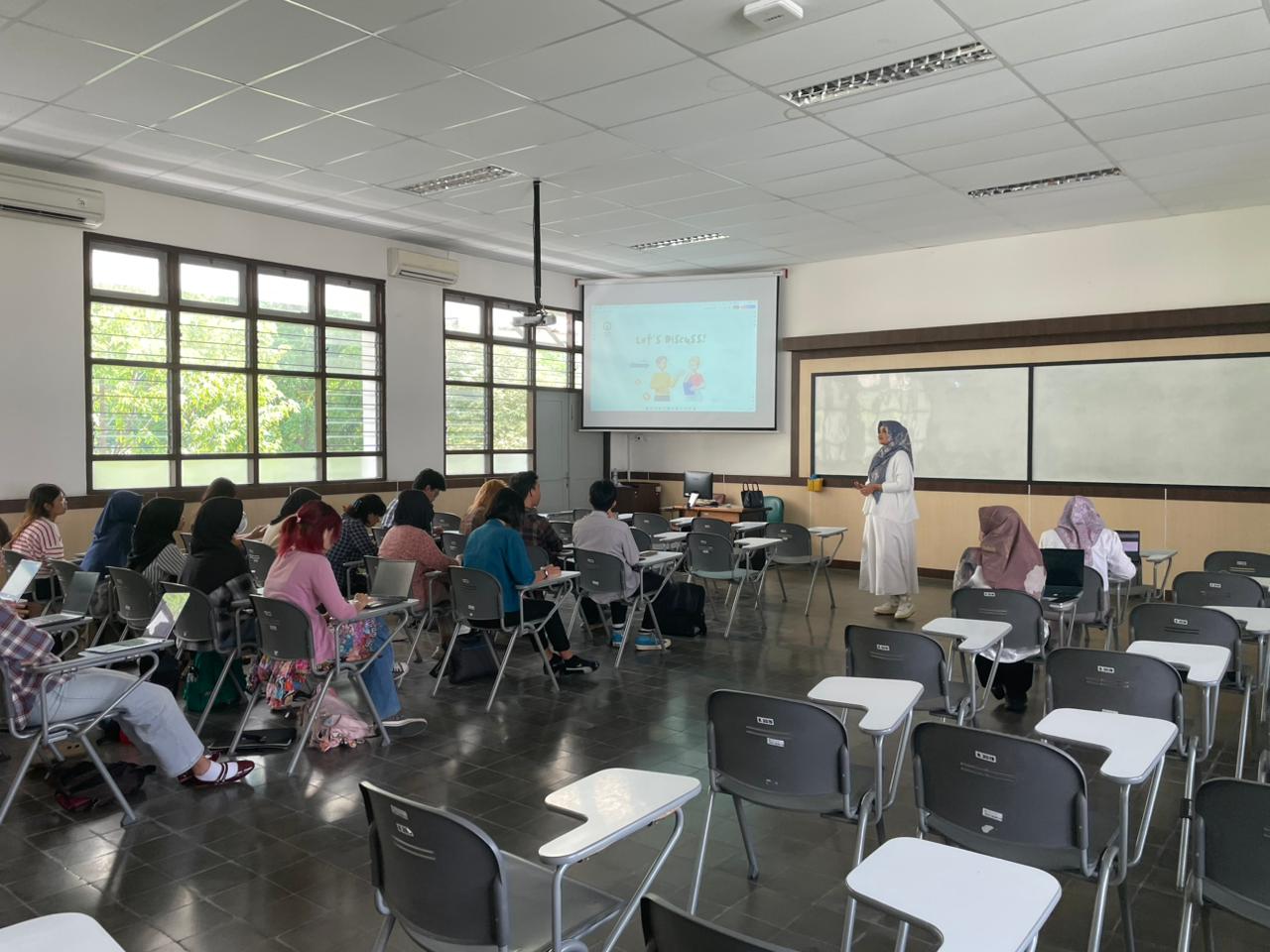 A central theme of the session was the importance of understanding why certain products resonate strongly in the marketplace while others do not. By guiding students through the principles of market segmentation—including geographic, demographic, and psychographic approaches—Sugmana highlighted the analytical and strategic thinking required to build a sustainable and differentiated food business. She also invited students to consider the distinction between target market—the audience a business seeks to serve—and positioning, or how a business intends to be recognized within that market.
In addition to marketing and branding strategy, the lecture also explored broader aspects of foodservice enterprise management, including regulatory compliance and business licensing, human resource management, leadership, and digital-era marketing practices. Together, these topics provided students with a comprehensive view of the realities and complexities of managing a contemporary foodservice operation.
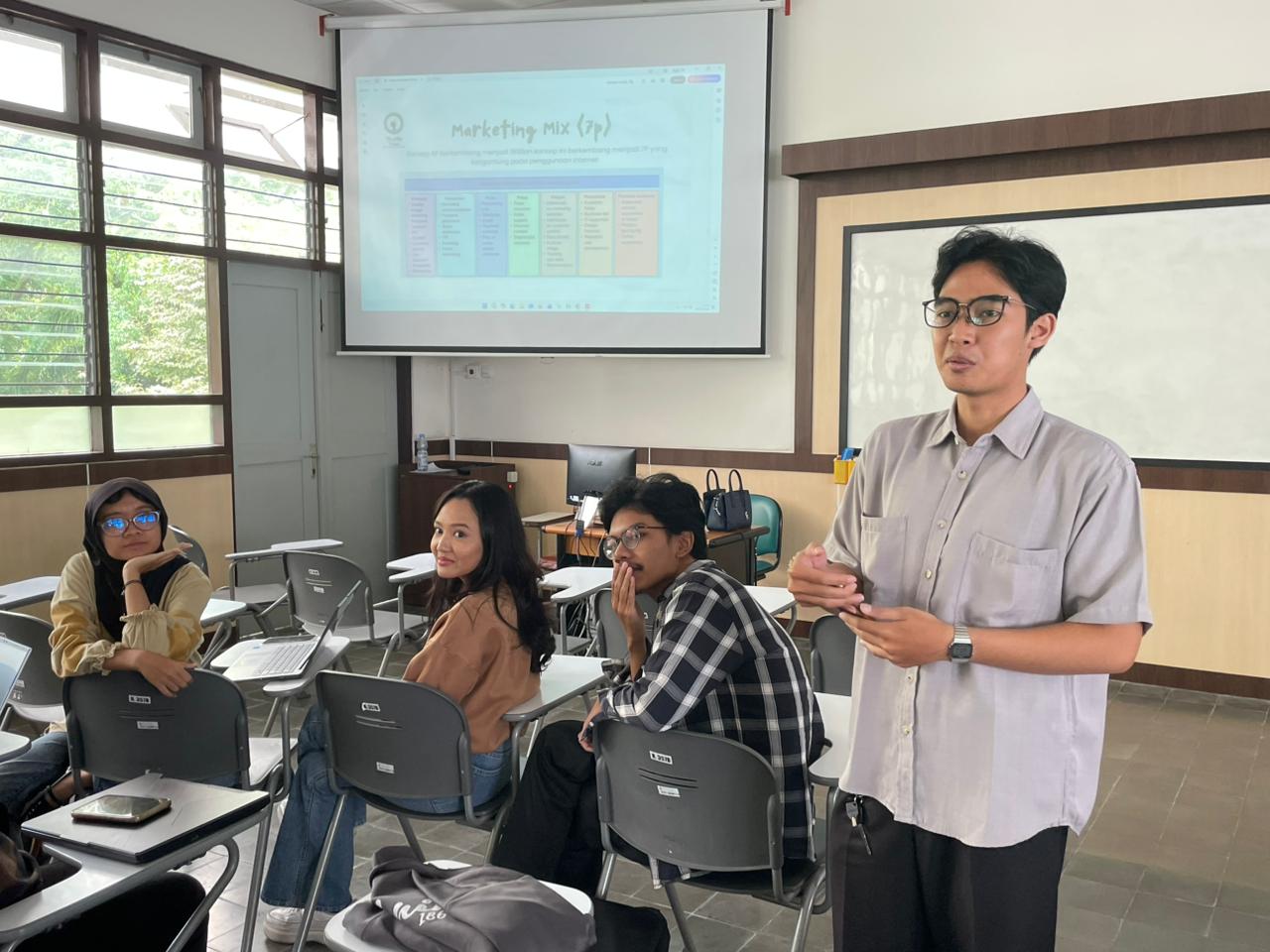 To conclude the session, students participated in a group-based case study that challenged them to reflect critically on the concepts presented and apply them to practical scenarios. This interactive component encouraged collaborative problem-solving and allowed students to connect classroom learning with the kinds of decisions faced by practitioners in the field.
The guest lecture provided students with valuable practical insight into the challenges and opportunities involved in managing a foodservice business. Beyond broadening their academic perspective, the session is expected to inspire students as they consider future pathways in the food and foodservice industries. The program also reflects broader commitments to the Sustainable Development Goals (SDGs), particularly SDG 4 (Quality Education), SDG 8 (Decent Work and Economic Growth), and SDG 12 (Responsible Consumption and Production) through experiential learning, entrepreneurship development, and greater awareness of responsive and responsible foodservice management.
Writer: Firstnandita K